
Tree Services in Atwater Village, CA
Properties in Atwater Village feature the charming character of an established Los Angeles neighborhood with tree-lined streets and compact yards. Homes along Glendale Boulevard and the side streets running toward the LA River have mature street trees that provide welcome shade but need regular attention. Many properties here were built in the 1920s and 1930s, and the original plantings have grown large enough to impact roofs, power lines, and foundations. The flat terrain means different drainage patterns than hillside areas, with trees adapted to valley floor conditions. We serve Atwater Village weekly with reliable tree care services.
(747) 219-1275Get Your Free Quote
Our Services
We provide complete tree care for Atwater Village homes and businesses. Our certified team understands the needs of established urban neighborhoods and delivers professional service you can count on.
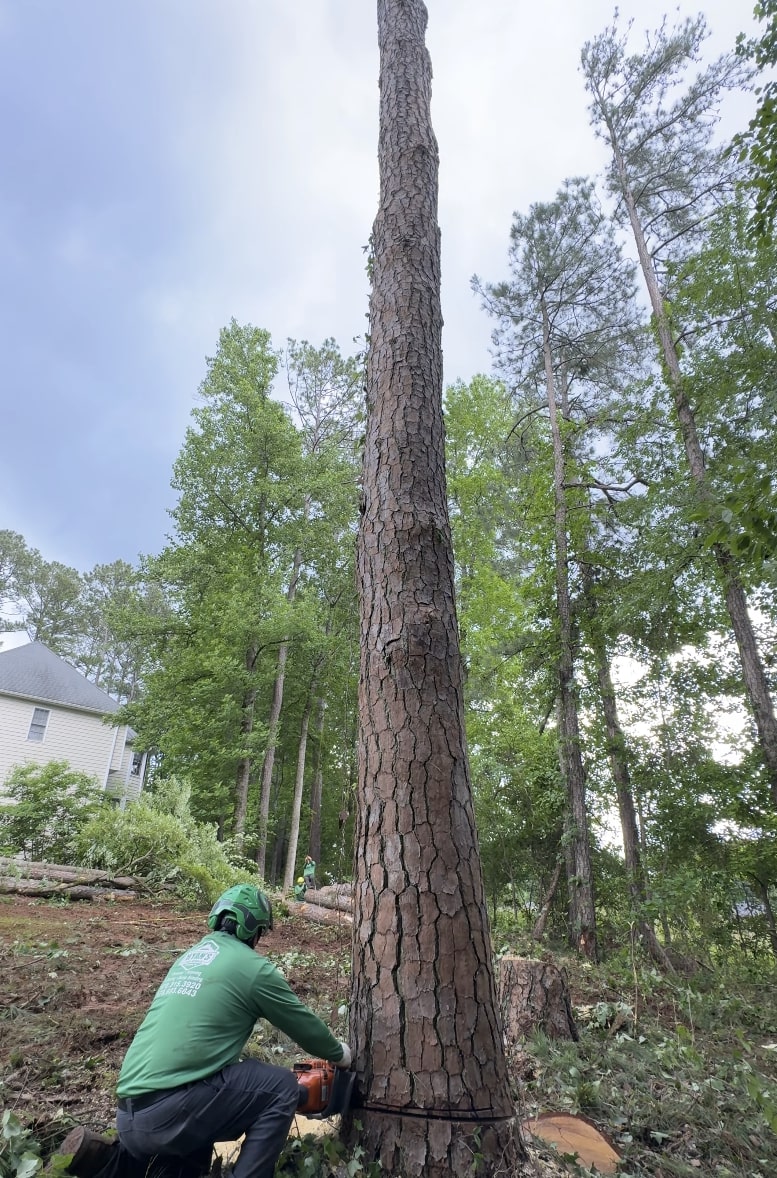
Tree Removal
Safe removal of hazardous or unwanted trees from your Atwater Village property
Learn More
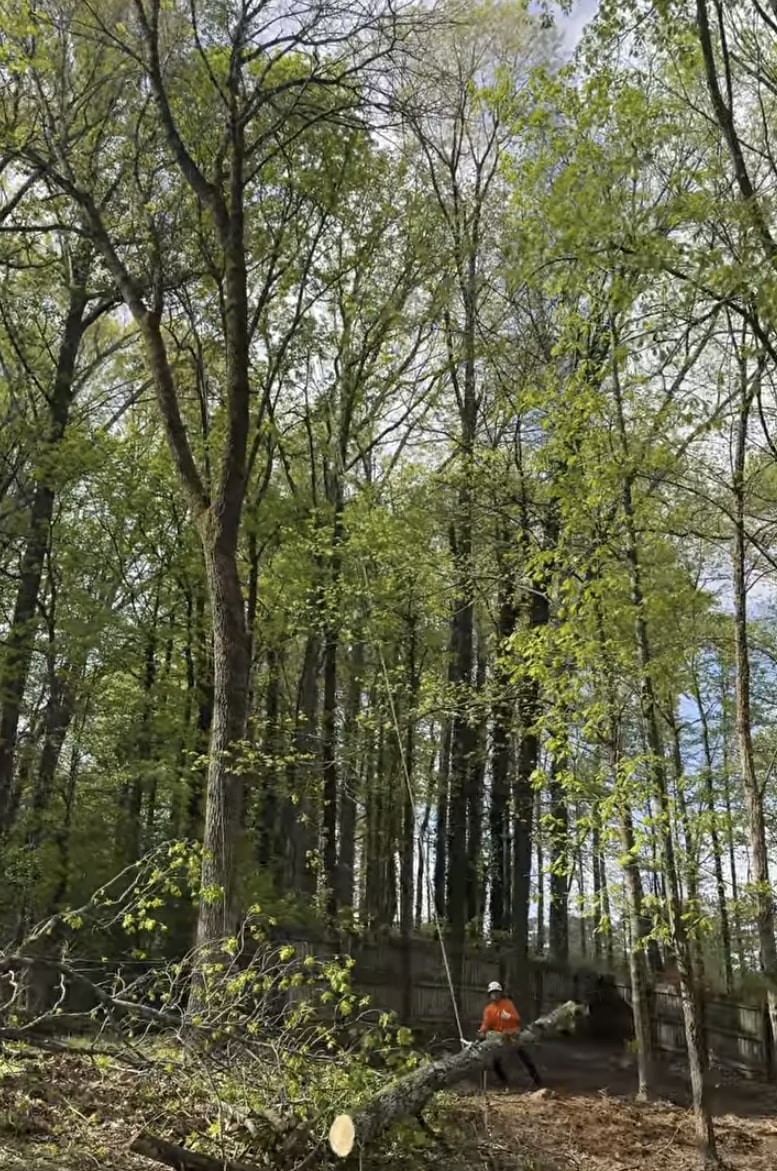
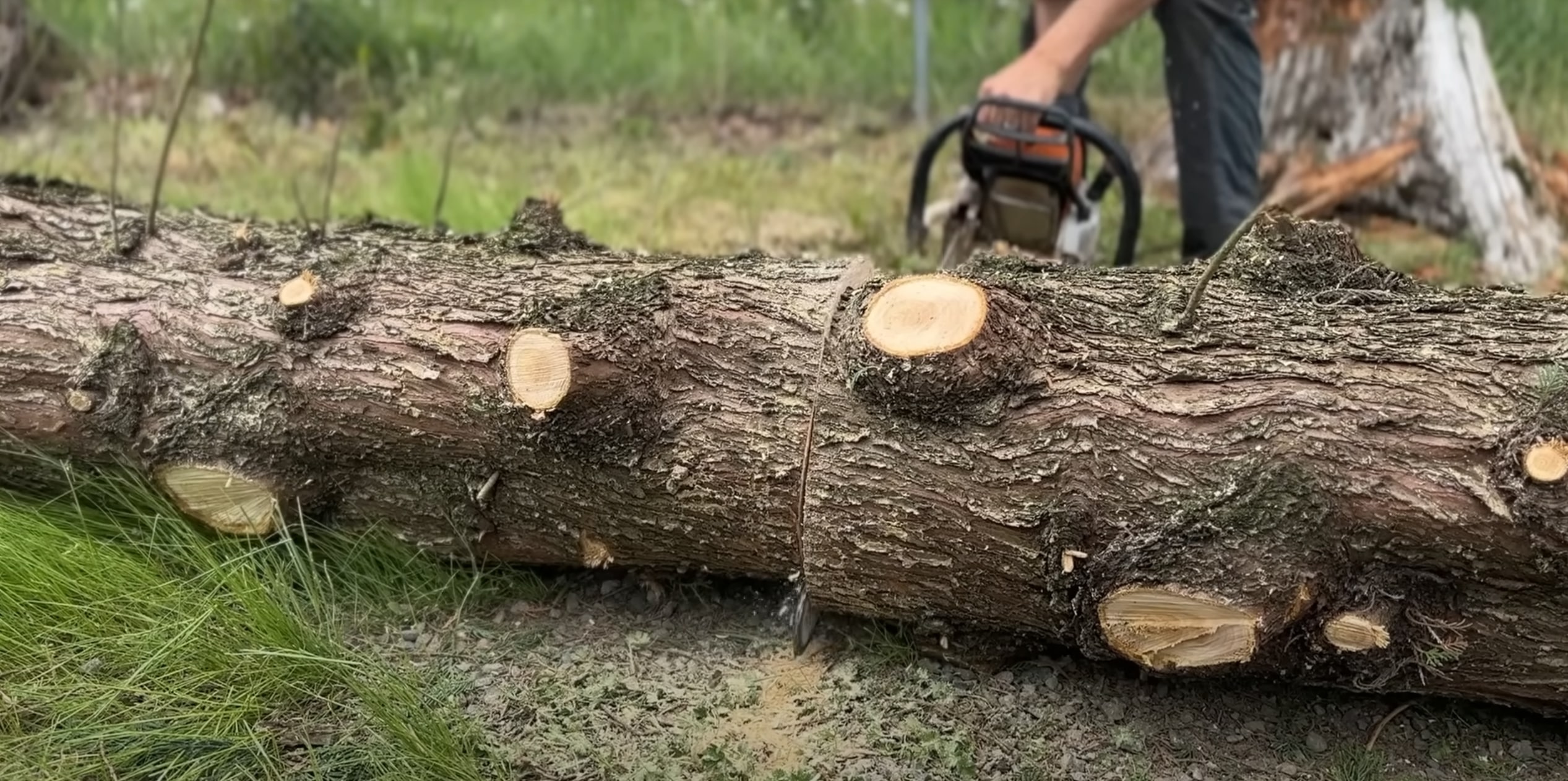
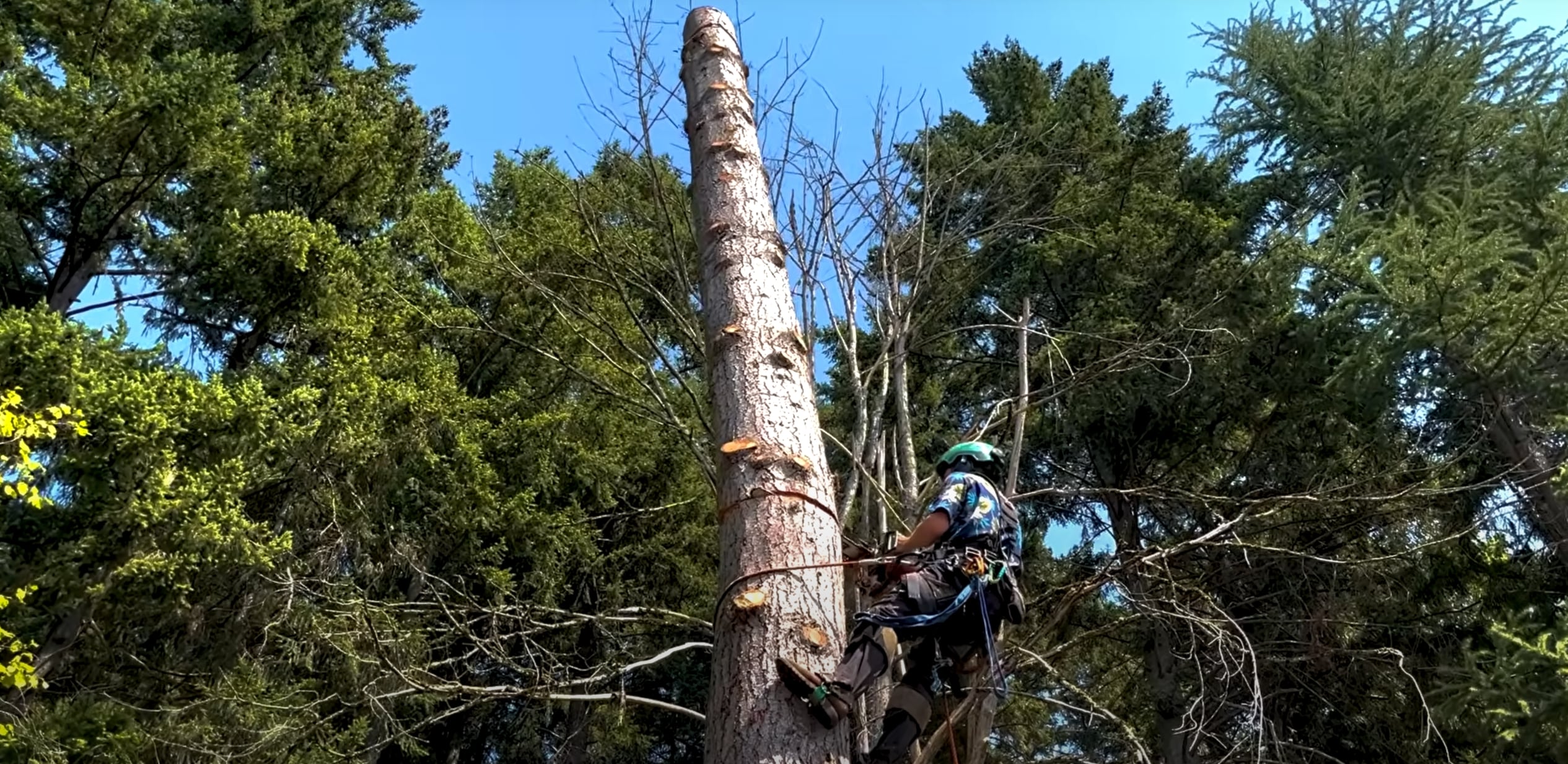
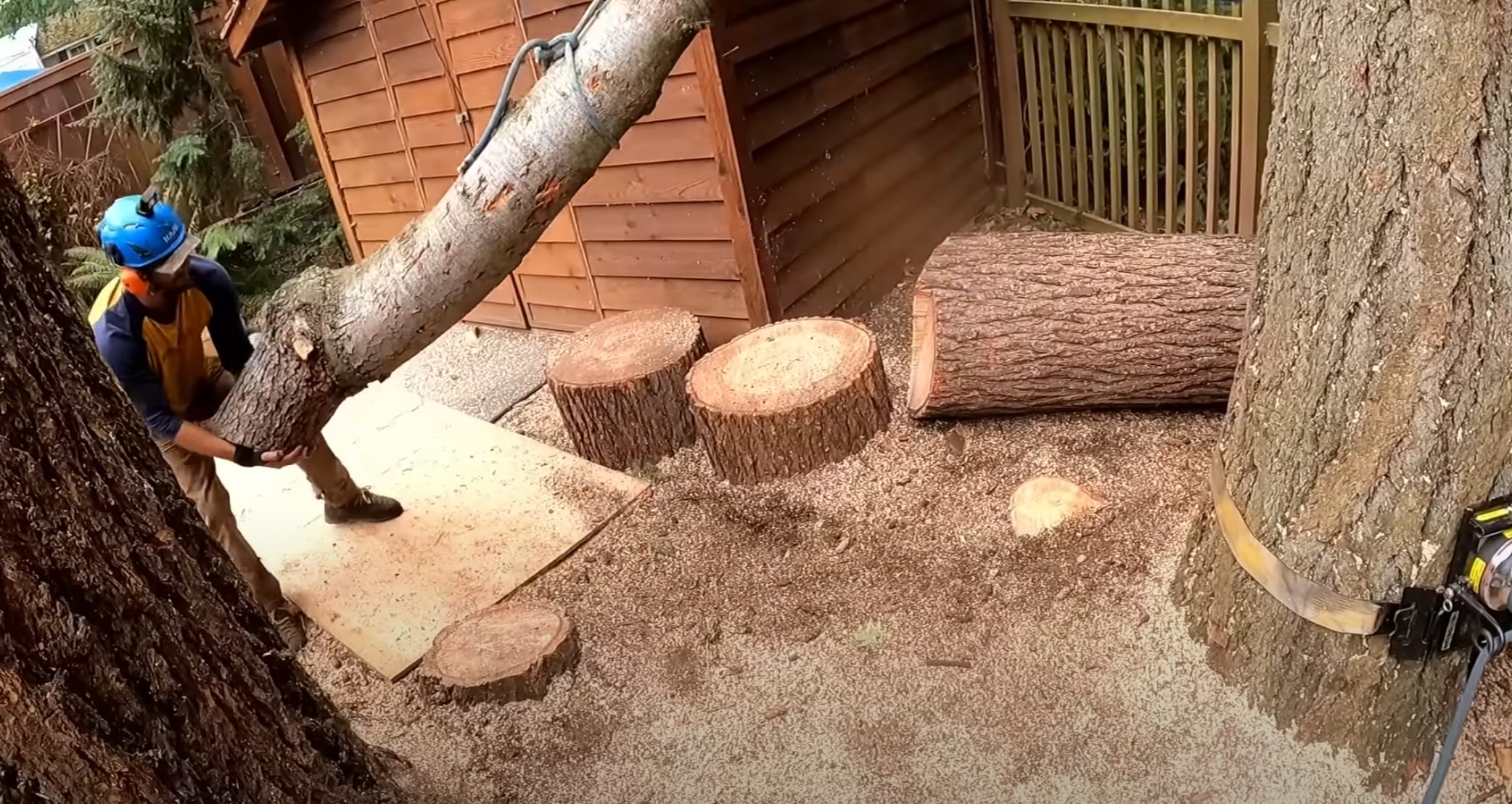
Street Tree Management for Atwater Village Homeowners
Many streets in Atwater Village have beautiful mature trees planted in the parkway between the sidewalk and curb. These trees add tremendous character and value to the neighborhood, but they also create responsibilities for property owners. The city requires you to maintain parkway trees, even though they are technically in the public right of way. This includes regular watering, removing dead branches, and addressing any damage the trees cause to sidewalks or adjacent infrastructure.
The most common issues we see with Atwater Village street trees include roots lifting sidewalk sections and creating trip hazards. The city can require you to repair these at your expense, which makes proactive root management important. Trees also grow into overhead utility lines, which creates both safety hazards and service interruptions. Regular professional trimming keeps branches clear of power lines and reduces the risk of outages during storms.
Some homeowners want to remove problematic street trees and replace them with more suitable species. However, city regulations require permits for any street tree removal, and the process can be complicated. Our tree care team works with Los Angeles city departments regularly and can help you navigate permit requirements, document why removal is necessary, and handle all the paperwork so you can resolve your tree issues properly.
Dealing with Limited Space in Urban Yards
Most Atwater Village properties sit on standard city lots, typically 50 by 140 feet, with homes taking up much of that space. Your yard might have room for only one or two trees, which makes each tree extremely important to your outdoor living space. When a tree outgrows its location or develops problems, you face difficult decisions about whether to maintain it or start over with something more appropriate for the space.
Many homes in the neighborhood have fruit trees, especially citrus, that were planted decades ago and now tower over single-story houses. While fruit production is nice, these large trees can damage roofs with falling fruit and branches, create excessive shade that prevents other plants from thriving, and attract rats and other pests. Proper pruning can manage size and reduce fruit production to more manageable levels while maintaining the tree's health and appearance.
Access is another consideration for tree work in Atwater Village. Narrow driveways, detached garages, and fences mean we often need to hand-carry equipment through side yards or work entirely from the front of the property. We handle these situations regularly and plan each job carefully to complete the work efficiently while protecting your property. Our arborist team can visit your property, assess access challenges, and recommend the best approach for your specific situation.
Seasonal Tree Care in the Los Angeles Climate
The climate in Atwater Village creates specific seasonal patterns that affect your trees throughout the year. Summer heat can exceed 95 degrees regularly, and the lack of rainfall from April through November stresses trees significantly. Even established trees show signs of drought stress during extended heat waves, including premature leaf drop, dead branch development, and increased vulnerability to pests like bark beetles and borers.
Winter brings most of the area's annual rainfall, typically concentrated in a handful of storms between December and March. The clay-heavy soil common throughout Atwater Village drains poorly, which means tree roots can sit in saturated soil for days or weeks after heavy rain. This creates ideal conditions for root rot diseases that can kill even large, established trees. We see this frequently with older birch, ash, and liquidambar trees that suddenly decline after wet winters.
Maintaining a regular tree care schedule adapted to these seasonal patterns protects your property investment and prevents expensive emergency repairs. Fall is ideal for structural pruning before winter storms arrive. Spring assessment catches any damage from winter weather. Summer focuses on monitoring tree health during heat stress. By staying ahead of problems rather than reacting to emergencies, you save money and reduce stress while keeping your landscape looking its best year-round.
Our Process
Step 1: Initial Contact
Reach out to us by phone or through our website, and we will respond promptly to discuss your tree care needs. We will ask about your trees, any problems you have noticed, and what you want to accomplish. For routine services, we typically schedule property visits within one to two business days. If you are dealing with an emergency like a fallen tree or dangerous leaning tree, we prioritize your call and can often respond the same day to secure your property.